Spring is officially peak “detox” season. Everywhere you look, there is a new marketing campaign pushing three-day juice cleanses to help you “reset” your digestion and shed winter weight.
So, you invest in a pricey set of cold-pressed green juices. You suffer through the hunger. But instead of waking up with a flat stomach and endless energy, you look six months pregnant by 2:00 PM, and your abdominal pain is worse than ever.
If you have ever mentioned this to a juice company, they probably told you it was a “detox reaction” or a “healing crisis.”
As a naturopathic doctor, I am here to tell you that it is neither. It is fermentation. If drinking a “healthy” green juice causes severe, rapid bloating, you do not need a cleanse. You likely have SIBO.
The Mechanism: Throwing Gasoline on a Bacterial Fire
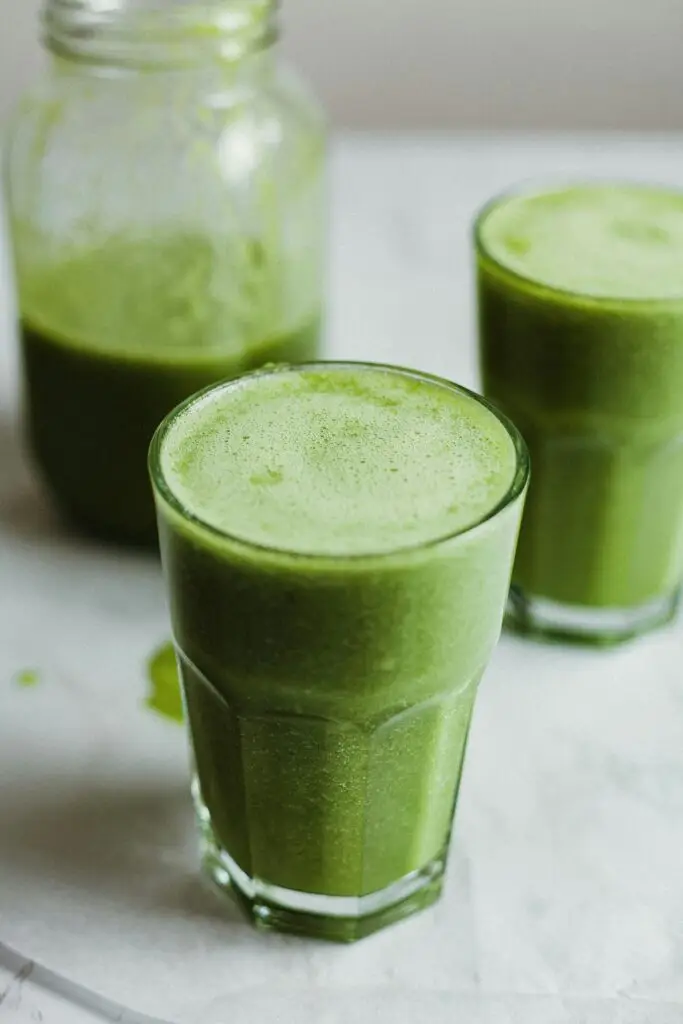
To understand why juice makes you balloon up, we need to talk about SIBO (Small Intestinal Bacterial Overgrowth).
Your large intestine is supposed to be teeming with trillions of bacteria. However, your small intestine—where you absorb your nutrients—should be relatively sterile. When your gut motility slows down due to stress, food poisoning, or underlying conditions, bacteria from the large intestine can migrate upward and take over the small intestine.
Here is where the juice cleanse mistake happens. Most popular green juices are packed with high-FODMAP fruits and vegetables, like apples, pears, celery, and watermelon. FODMAPs are specific types of fermentable carbohydrates.
The Fix: Stop Starving, Start Testing
True gut health does not come from starvation or liquid diets. It comes from targeted, clinical rehabilitation. If your spring cleanse backfired, here is the naturopathic approach:
1. Stop the Cleanse and Eat Whole Foods
2. Stimulate Your Internal Street Sweeper
Instead of a juice cleanse, you need to turn on your Migrating Motor Complex (MMC). The MMC is the gut’s internal cleaning wave that sweeps leftover food and bacteria down into the colon where they belong. The catch? The MMC only works when you are fasting. Space your meals at least 4 hours apart and stop snacking so your body can physically sweep the bacteria away.
3. Test, Don't Guess (The SIBO Breath Test)
We need to see exactly which type of gas those bacteria are producing so we can target them with the right herbal antimicrobials. Instead of guessing, we use a specialized SIBO Breath Test to measure the hydrogen and methane levels in your gut over a three-hour period.
Ditch the Diet Culture
This spring, let’s cut through the toxic diet culture that tells you to punish your body with restrictive liquid diets. Bloating is your body’s way of communicating that something is structurally or microbially off. By testing for SIBO, we can stop the fermentation cycle and actually heal your gut for good.
Test for SIBO
Find out if bacterial overgrowth is causing your severe bloating and food reactions with a simple, at-home breath test.
References:
- Bures, J., et al. (2010). Small intestinal bacterial overgrowth syndrome. World Journal of Gastroenterology, 16(24), 2978-2990.
- Magge, S., & Lembo, A. (2012). Low-FODMAP Diet for Treatment of Irritable Bowel Syndrome. Gastroenterology & Hepatology, 8(11), 739-745.