Spring in Vancouver is beautiful, but for a huge percentage of my patients, the blooming cherry blossoms signal the start of a miserable few months.
If you suffer from seasonal allergies, you likely have a familiar routine: you wait for the first itchy eye, runny nose, or sneezing fit, and then you reach into the medicine cabinet for an over-the-counter antihistamine.
But from a functional medicine perspective, this approach is entirely backwards. By the time you sneeze, it is already too late.
If you want to truly conquer allergy season, you cannot wait for the pollen to hit. You need to prepare your immune system now by focusing on a concept called Mast Cell Stabilization.
The Mechanism: Why Antihistamines Are a Band-Aid
To understand how to prevent allergies, we have to look at how your immune system reacts to pollen.
Your immune system has “border patrol” guards called Mast Cells. These cells are stationed in your nose, eyes, lungs, and gut. Inside these mast cells are tiny sacs filled with inflammatory chemicals—most notably, Histamine.
When you inhale pollen, your mast cells view it as a threat. They undergo a process called degranulation—they effectively “burst” open, flooding your tissues with histamine. That flood of histamine is what causes the swelling, the mucus, and the relentless itching.
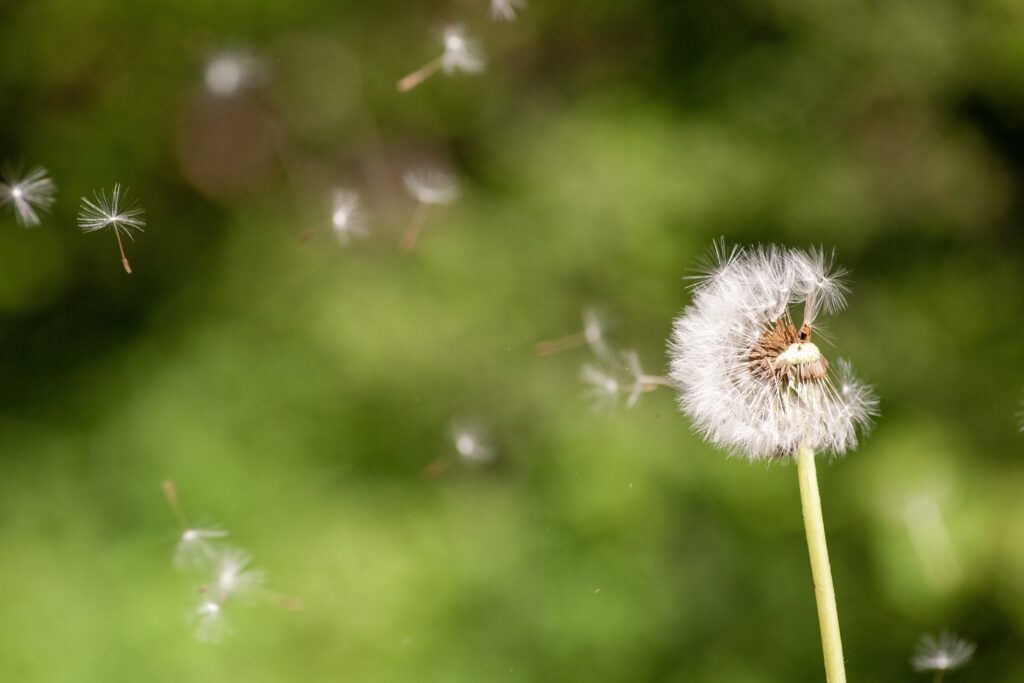
Standard allergy pills are Antihistamines. They do not stop your mast cells from bursting; they simply try to block the histamine receptors in your tissues after the explosion has already happened. It’s like trying to mop up the floor while the sink is still overflowing.
The Proactive Fix: Stabilize the Cell
Naturopathic medicine takes a different approach. Instead of mopping up the mess, we want to reinforce the walls of the mast cell so it doesn’t burst in the first place.
This is called Mast Cell Stabilization, and it requires starting your protocol 2 to 4 weeks before the pollen counts peak. Here is my foundational protocol for allergy prep:

1. Quercetin: The Master Stabilizer
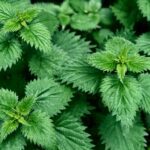
2. Stinging Nettle (Urtica dioica)
3. Manage Your "Histamine Bucket" (Dietary Tweaks)
Your body can only process so much histamine at once. Think of it like a bucket. If your bucket is already 90% full from the foods you eat, a tiny bit of pollen will cause it to overflow (triggering symptoms). During peak allergy weeks, I advise patients to lower their dietary histamine intake to keep the bucket empty. This means temporarily reducing high-histamine foods like:
- Aged cheeses and cured meats.
- Fermented foods (like sauerkraut or kombucha).
- Red wine and alcohol.
Don't Wait for the Bloom
You do not have to accept fatigue, brain fog, and sinus pressure as a normal part of spring. By actively stabilizing your mast cells in March, you can build a resilient immune barrier that keeps the histamine locked away where it belongs.
Start your protocol now, so you can actually enjoy the sunshine when it arrives.
Ready to Allergy-Proof Your Spring?
Stop relying on daily band-aids. Dr. Jennifer Luis offers customized immune and allergy protocols to stabilize your system before the season peaks.
References:
- Mlcek, J., et al. (2016). Quercetin and Its Anti-Allergic Immune Response. Molecules, 21(5), 623.
- Roschek, B., et al. (2009). Nettle extract (Urtica dioica) affects key receptors and enzymes associated with allergic rhinitis. Phytotherapy Research, 23(7), 920-926.