You have probably seen the “Fibermaxxing” trend taking over social media lately. While internet health trends often come and go, this is one I actually want my patients to pay attention to—especially the women.
Many women come into my clinic frustrated. They are taking all the right supplements for their hormones—DIM, liver supports, high-quality probiotics—yet they are still dealing with classic signs of Estrogen Dominance: heavy, painful periods, tender breasts, cyclical migraines, and severe PMS.
If you are doing everything right but still feel hormonally chaotic, you might be missing the final, most crucial step of hormone metabolism: 🧹 The Sweep.
To balance your hormones, it is not enough to just produce them correctly. You have to be able to get rid of them. And for that, you need fiber.
Meet Your "Estrobolome"
To understand why fiber is your hormone hero, we have to look at the life cycle of estrogen.
Once your body has used its estrogen, it sends it to the liver. Think of your liver as a packaging plant. It takes the used estrogen, puts it in a secure “box,” and sends it down into your digestive tract so it can be eliminated when you go to the bathroom.
But here is where things go wrong for many women.
Within your gut microbiome, there is a specific collection of bacteria called the Estrobolome. The Estrobolome’s entire job is to modulate circulating estrogen.
If your gut bacteria are imbalanced (dysbiosis), they can produce an enzyme called Beta-glucuronidase. This enzyme acts like a pair of scissors. It cuts open the secure box your liver just packed, releasing the used estrogen back into your bloodstream.
Instead of leaving your body, the estrogen recirculates. This is how Estrogen Dominance builds up, even if your ovaries are producing normal amounts.
Fiber: The Hormonal "Broom"
So, how do we stop the estrogen from recirculating? We have to sweep it out of the digestive tract quickly and efficiently.
This is where fiber comes in.
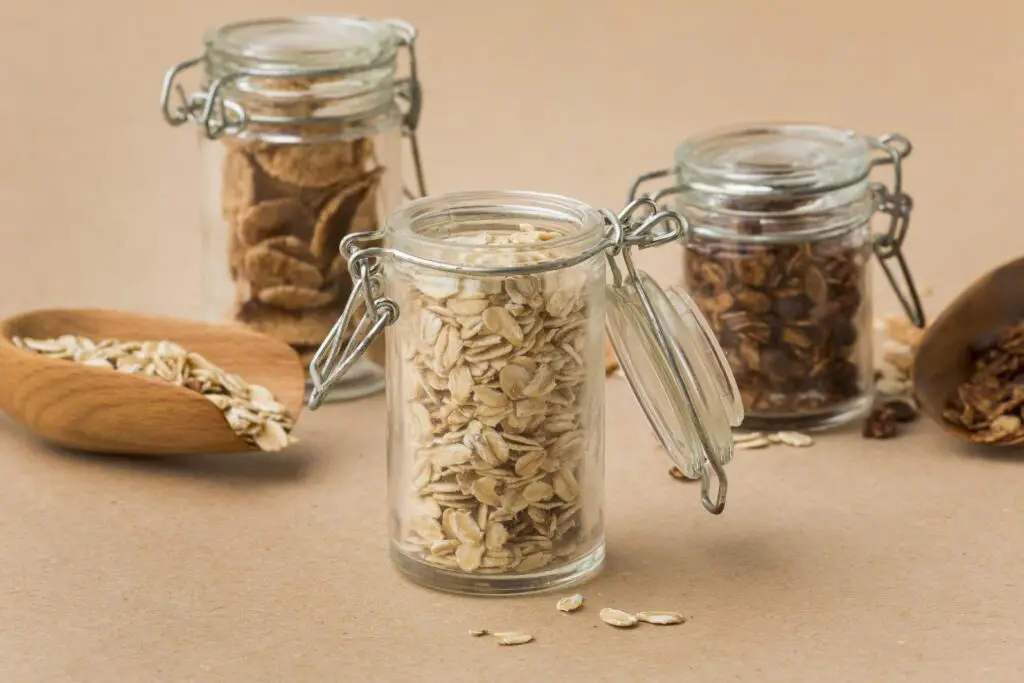
When you consume adequate dietary fiber—specifically soluble fiber from foods like flaxseeds, oats, beans, and root vegetables—it binds to the packaged estrogen in your gut. It acts like a broom, sweeping the hormone out of your body before those pesky enzymes have a chance to unbox it [1].
You can take all the liver support in the world, but if you don’t have the fiber to carry the hormones out the exit door, you will remain stuck in a loop of hormone recirculation.
The Double Duty: Hormones & Heart Health
As we transition out of Heart Health Month, it is worth noting that this “sweeping” mechanism does double duty for your longevity.
The exact same soluble fiber that binds to used estrogen also binds to excess cholesterol in your digestive tract, safely removing it from your body [2]. By increasing your fiber intake, you are simultaneously reducing your risk of cardiovascular disease while smoothing out your menstrual cycle. Heart health and hormone health are inextricably linked.
How to "Fibermaxx" Safely
If you want to increase your fiber, please do not go from 10 grams a day to 40 grams overnight. Your gut needs time to adapt, otherwise, you will end up painfully bloated.
1. Start Low and Slow:
Add just 5 extra grams of fiber every few days.
2. Hydrate:
Fiber without water is like concrete. You must increase your water intake as you increase your fiber to keep things moving.
3. Focus on Seed Cycling:
Adding 2 tablespoons of freshly ground flaxseed to your morning smoothie or oatmeal is one of the most clinically effective ways to bind excess estrogen.
Stop Recirculating Your Symptoms
Hormone balance isn’t just about what your ovaries are doing; it is about how effectively your gut is clearing the waste. By making fiber a non-negotiable part of your daily routine, you give your body the tools it needs to take out the hormonal trash, leaving you with clearer skin, better moods, and easier periods.
Are You Eating for Hormone Balance?
If you are struggling with PMS, heavy periods, or estrogen dominance, the solution might be on your plate. Dr. Jennifer Luis offers personalized dietary counseling and gut testing to help you optimize your Estrobolome.
References:
- Rose, D. P., et al. (1991). Effect of a low-fat, high-fiber diet on serum, breast, and fecal estrogen levels in premenopausal women. American Journal of Clinical Nutrition.
- Plottel, C. S., & Blaser, M. J. (2011). Microbiome and malignancies of the female reproductive tract: role of the estrobolome. Cell Host & Microbe.